Image Schemas in Second Language Learning and Instruction: A Case for a Multidisciplinary Approach
- SlideShare title: Image Schemas and Second Language Acquisition
- Talk date: Not established
- SlideShare upload: 2007-08-18 (upload date, not the delivery date)
- Event: Not established
- Place: Not established
- Topics: Language & meaning
- Language: en
- Slides in the original listing: 15
- Coverage: Full text of all 15 slides, each paired with its original slide image (slide N is section N).
- Original listing: https://www.slideshare.net/slideshow/image-schemas-and-second-language-acquisition/93688
- Cover image: https://slides.dominiklukes.net/readers/image-schemas-and-second-language-acquisition/pages/page-01.png
- Reader data (JSON): https://slides.dominiklukes.net/readers/image-schemas-and-second-language-acquisition/presentation.json
- TalkWeaver package (outline and images, ZIP): https://slides.dominiklukes.net/image-schemas-and-second-language-acquisition/image-schemas-and-second-language-acquisition-talkweaver.zip
- TalkWeaver outline: https://slides.dominiklukes.net/image-schemas-and-second-language-acquisition/talkweaver/image-schemas-and-second-language-acquisition-outline.md
- Markdown copy: https://slides.dominiklukes.net/image-schemas-and-second-language-acquisition/index.md

Slide 1: Image Schemas in Second Language Learning and Instruction A Case for a Multidisciplinary Approach
Image Schemas in Second Language Learning and Instruction A Case for a Multidisciplinary Approach
Dominik Lukeš, 2004

Slide 2: Presentation outline
Presentation outline
- Caveats and limitations
- The questions asked
- Czech na and its extensions
- Czech na and learners
- Native speakers’ imagery
- Using images to teach
- Using images to learn
Slide 3: Caveats and limitations
Caveats and limitations
- Limited time in presentation to explore full implications (focus on data results and over complete discussion of implications)
- Work in progress: need for refinement of the research task (particularly work with learners)
- Role of language of presentation (English / Czech)
- Sources of data
- contrastive analysis (textbooks, grammar books, dictionaries)
- corpus analysis (Czech only)
- introspective analysis (need for honesty)
- experimental data from Czech native speakers
- pedagogical experience (anecdotal evidence from students and teachers)
Slide 4: Questions asked
Questions asked
- What is the link between a schematic image (such as may govern our use of preposition) and a specific rich image?
- Do all native speakers have the same system of image schemas? Do they use similar schemas in similar ways?
- How is the link between a schematic and a rich images established?
- In producing sentences
- In decoding meaning
- In first language acquisition
- In second language acquisition
Slide 5: Czech preposition na
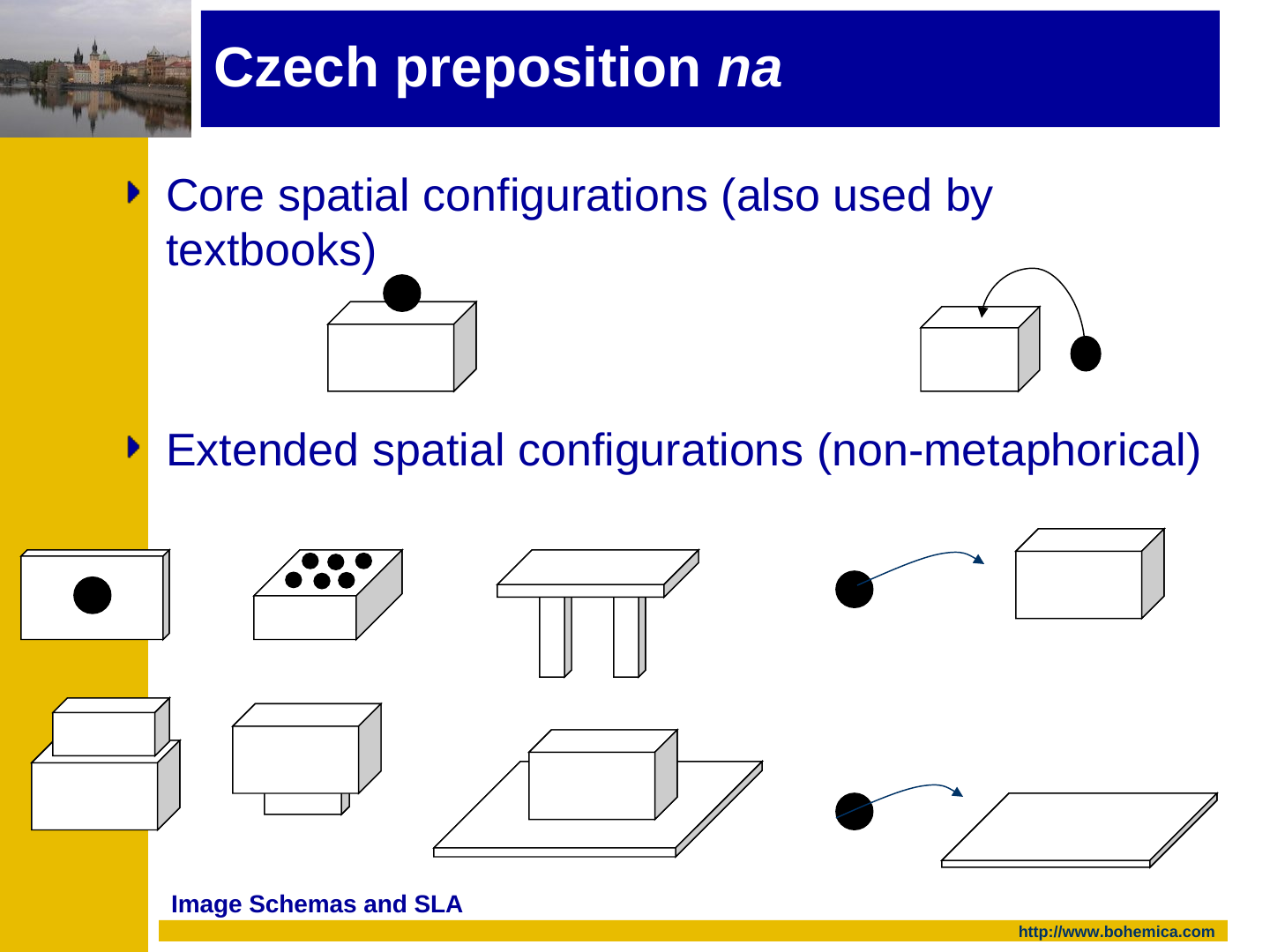
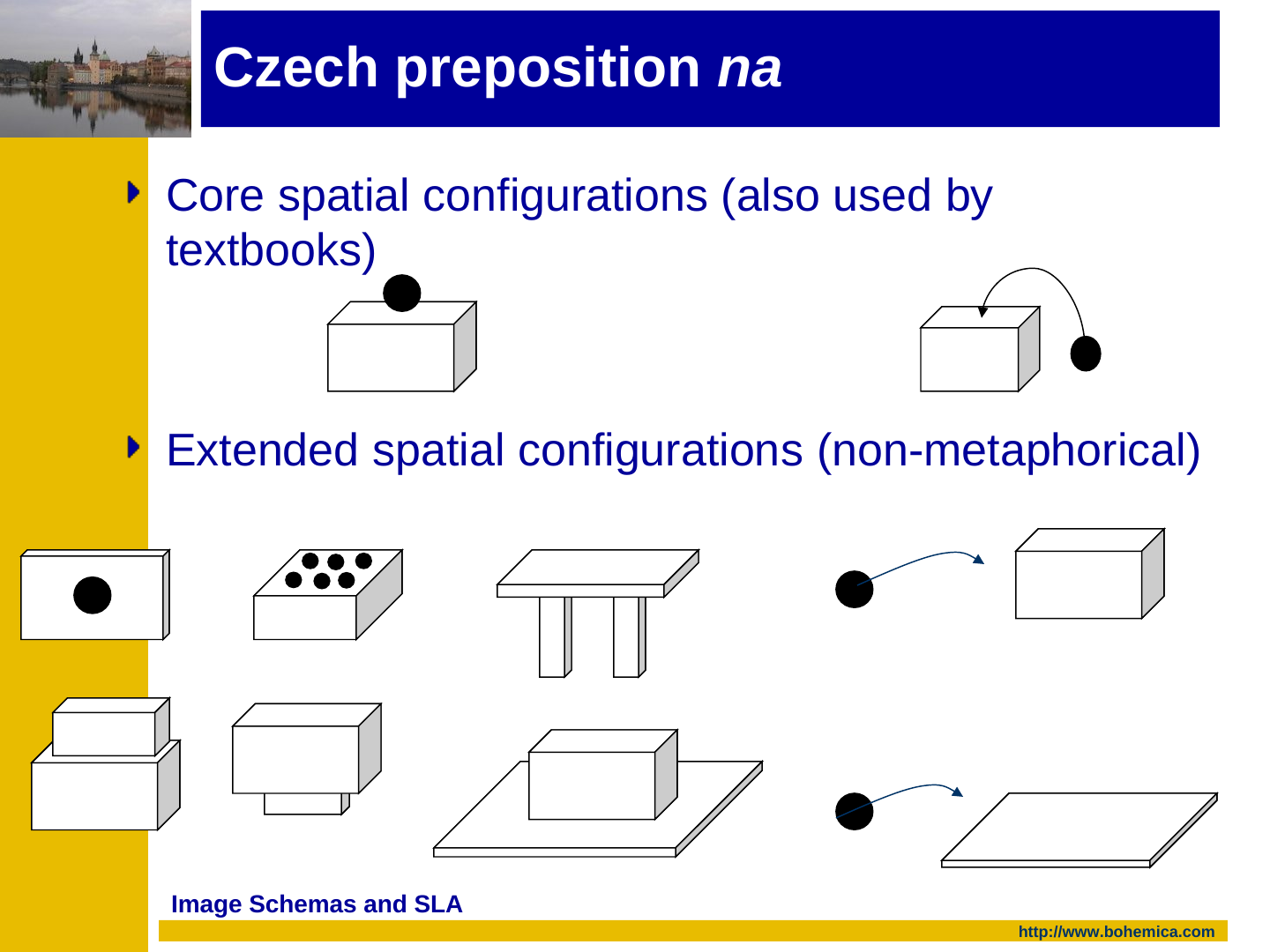
Czech preposition na
- Core spatial configurations (also used by textbooks)
- Extended spatial configurations (non-metaphorical)
Slide 6: Metaphorical extensions
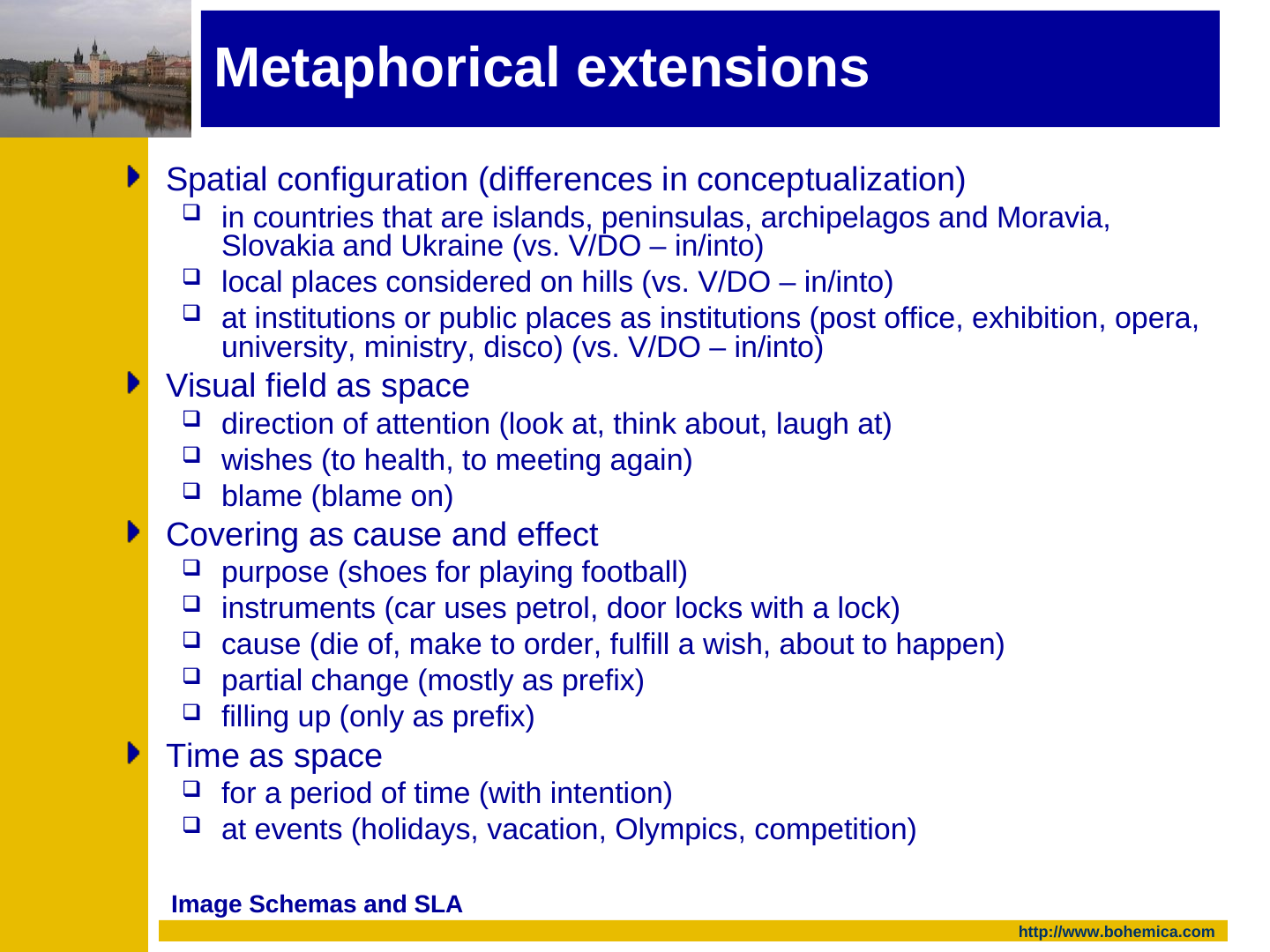
Metaphorical extensions
- Spatial configuration (differences in conceptualization)
- in countries that are islands, peninsulas, archipelagos and Moravia, Slovakia and Ukraine (vs. V/DO – in/into)
- local places considered on hills (vs. V/DO – in/into)
- at institutions or public places as institutions (post office, exhibition, opera, university, ministry, disco) (vs. V/DO – in/into)
- Visual field as space
- direction of attention (look at, think about, laugh at)
- wishes (to health, to meeting again)
- blame (blame on)
- Covering as cause and effect
- purpose (shoes for playing football)
- instruments (car uses petrol, door locks with a lock)
- cause (die of, make to order, fulfill a wish, about to happen)
- partial change (mostly as prefix)
- filling up (only as prefix)
- Time as space
- for a period of time (with intention)
- at events (holidays, vacation, Olympics, competition)
Slide 7: NA vs. ON
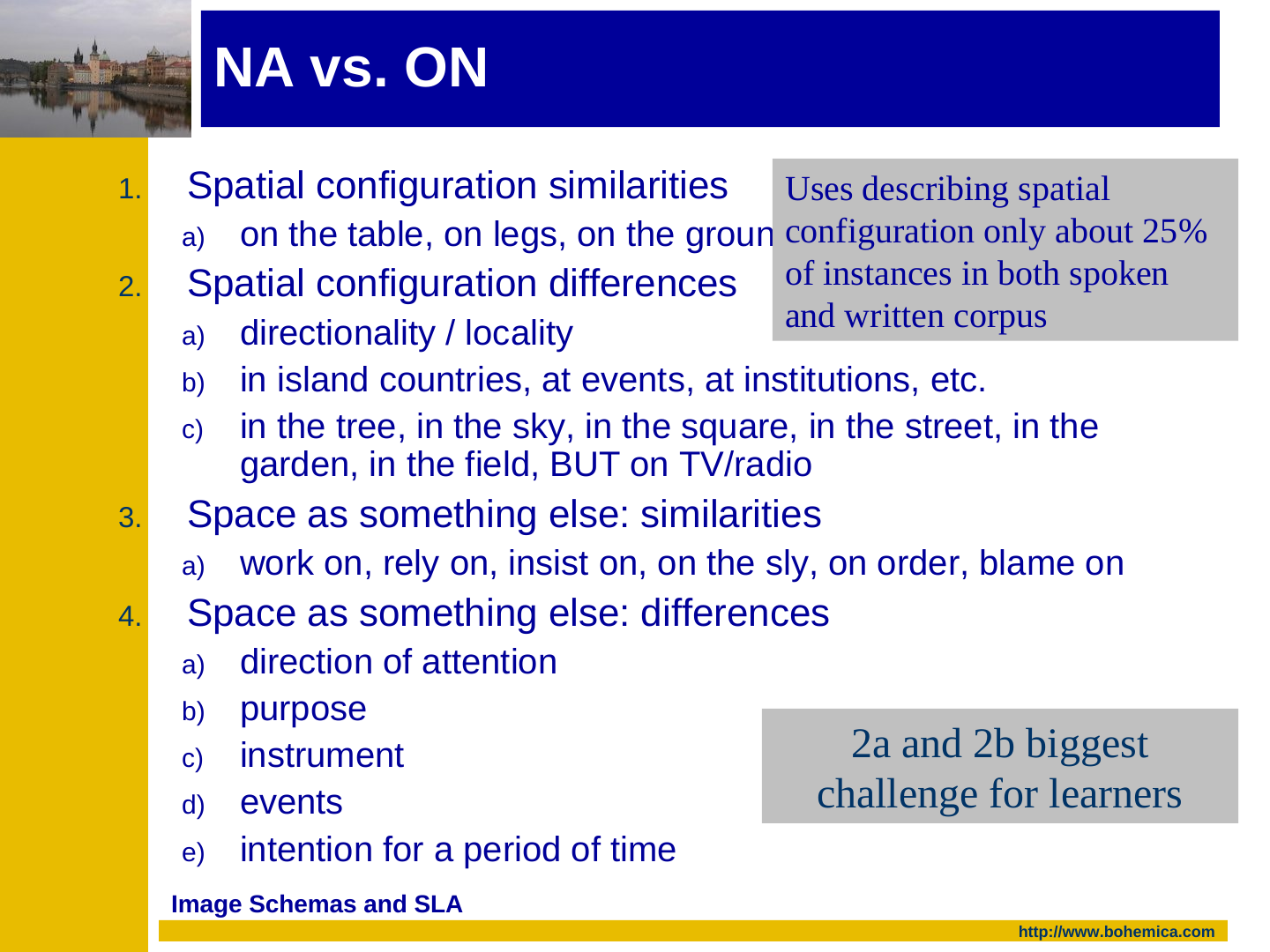
NA vs. ON
- Spatial configuration similarities
- a) on the table, on legs, on the ground, on the wall
- Spatial configuration differences
- a) directionality / locality
- b) in island countries, at events, at institutions, etc.
- c) in the tree, in the sky, in the square, in the street, in the garden, in the field, BUT on TV/radio
- Space as something else: similarities
- a) work on, rely on, insist on, on the sly, on order, blame on
- Space as something else: differences
- a) direction of attention
- b) purpose
- c) instrument
- d) events
- e) intention for a period of time
Uses describing spatial configuration only about 25% of instances in both spoken and written corpus
2a and 2b biggest challenge for learners
Slide 8: NA and learners of Czech
NA and learners of Czech
- Beginners learn core meaning and set of exceptions
- When introduced to schemas and their extensions later, they express desire to have known this from the start
- When introduced to schemas and extensions as beginners, no immediate jump in proficiency can be observed
- Hypothesis: native-like fluency can only be achieved when not only lexis and syntax but also conceptualizations can be switched
Slide 9: Spatial configuration schemas and native speakers
Spatial configuration schemas and native speakers
- Data collection
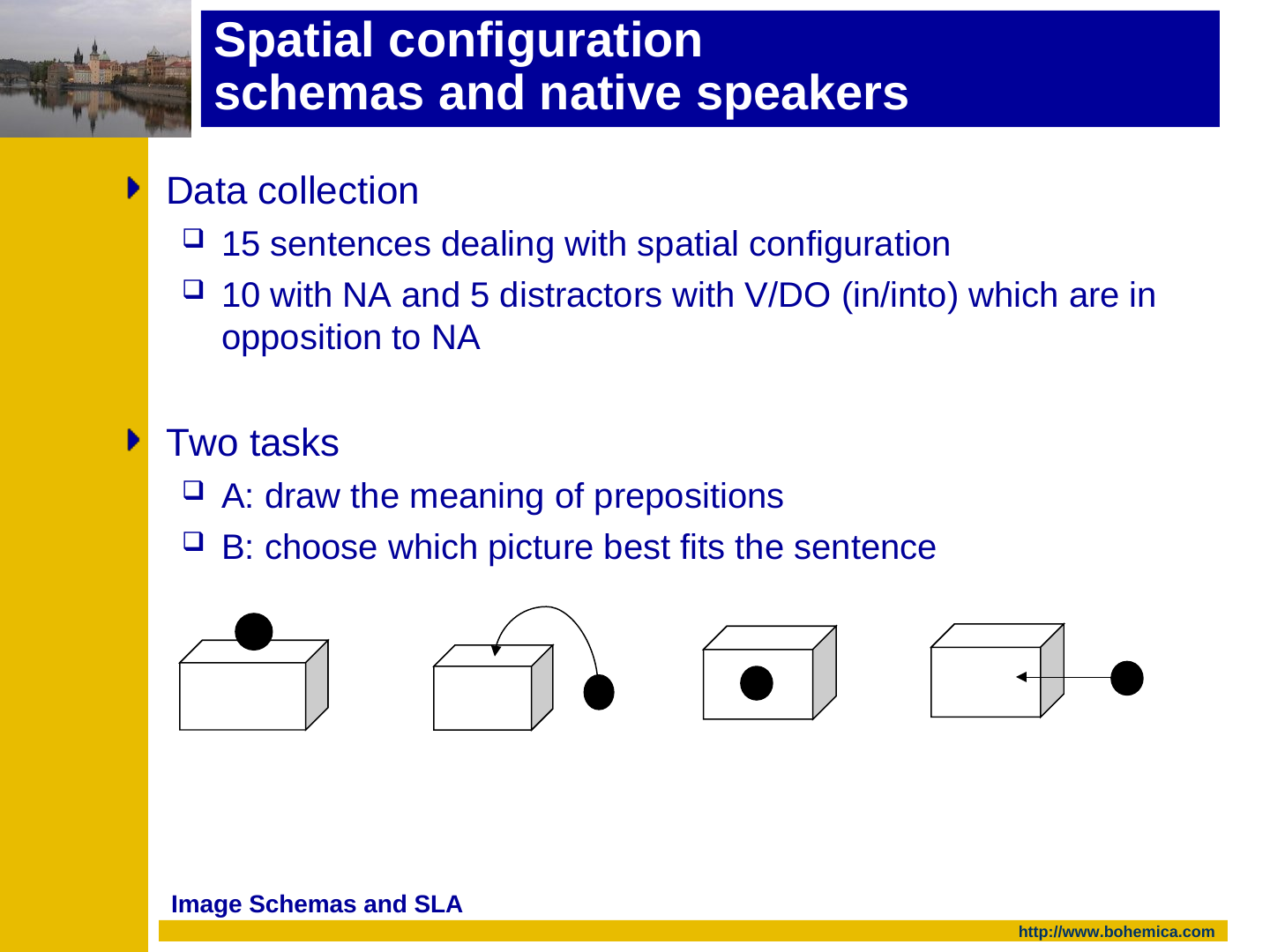
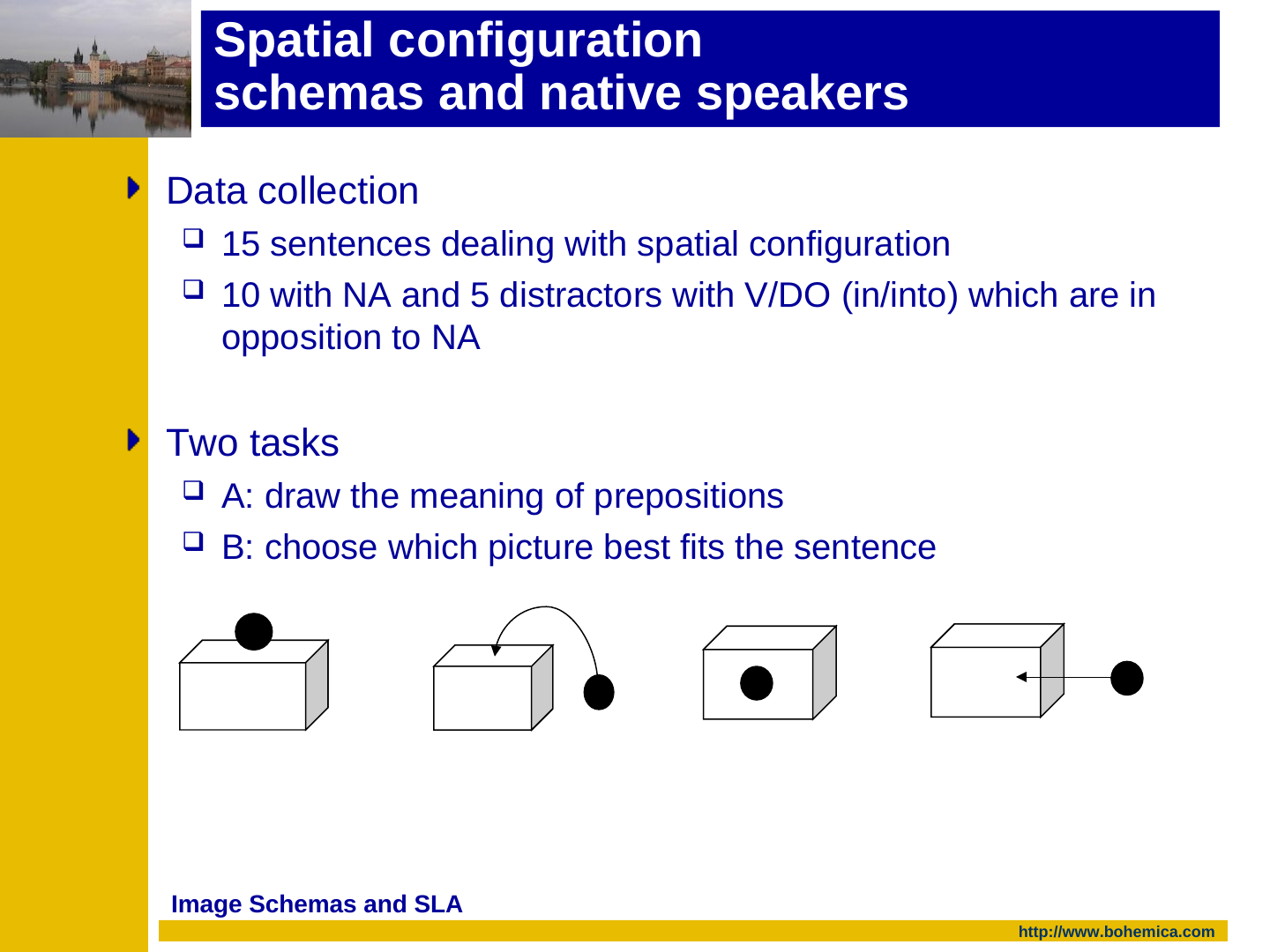
- 15 sentences dealing with spatial configuration
- 10 with NA and 5 distractors with V/DO (in/into) which are in opposition to NA
- Two tasks
- A: draw the meaning of prepositions
- B: choose which picture best fits the sentence
Slide 10: Preliminary results
Preliminary results
- No variability in core spatial meaning
- Little variability in direction vs. location (mostly caused by motion of trajector within location)
- Great variability in extended spatial meaning
- The shape/nature of trajectors and landmarks is important in conceptualization
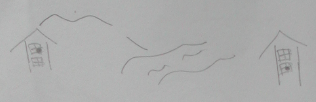
- The configuration of trajector and landmark is important
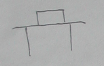
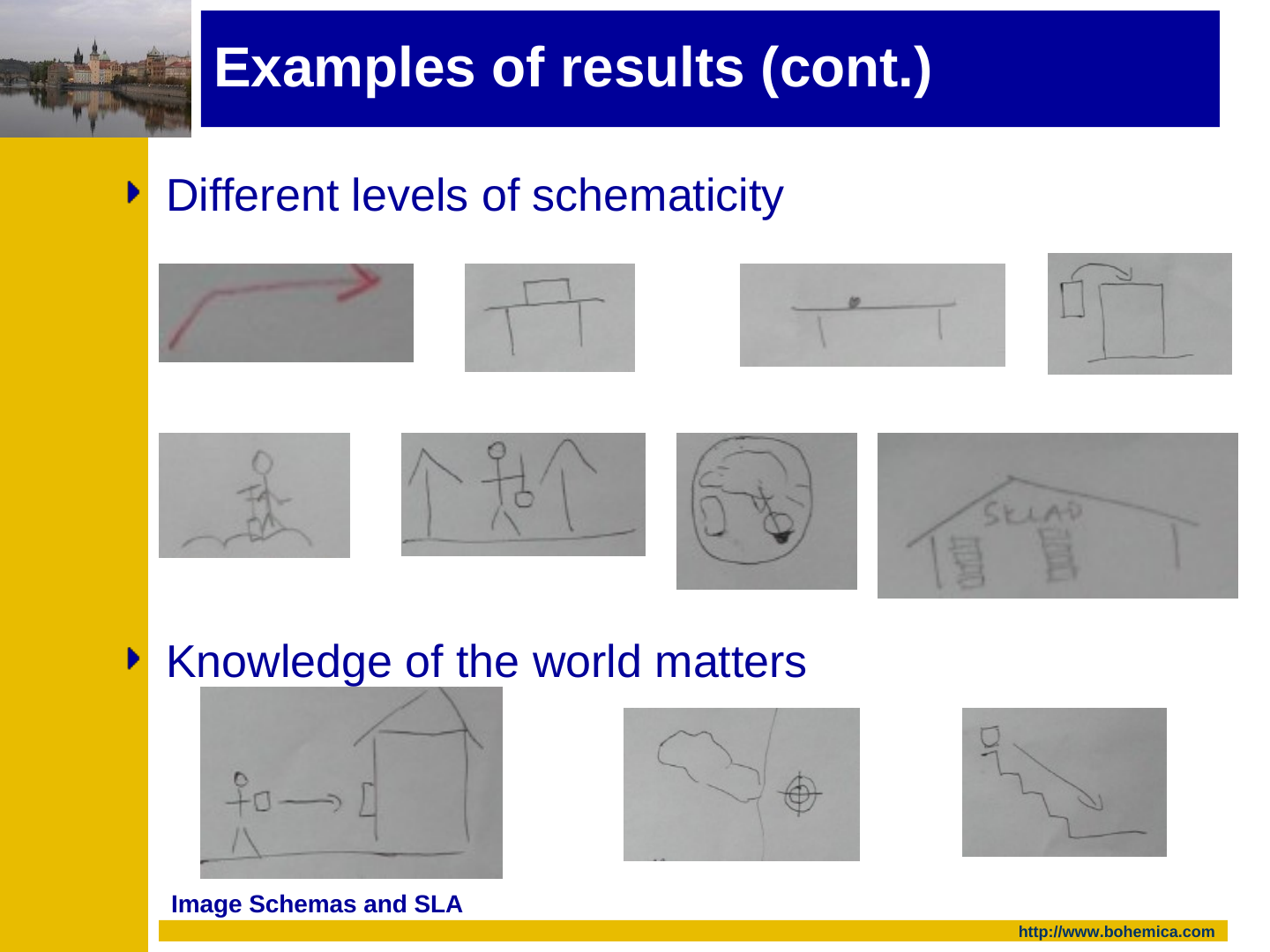
- The level of schematicity varies by sentence
Slide 11: Examples of results
Examples of results
Distance between TR and LM reflected
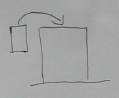

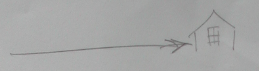
Choosing either TR or LM is significant
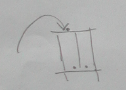

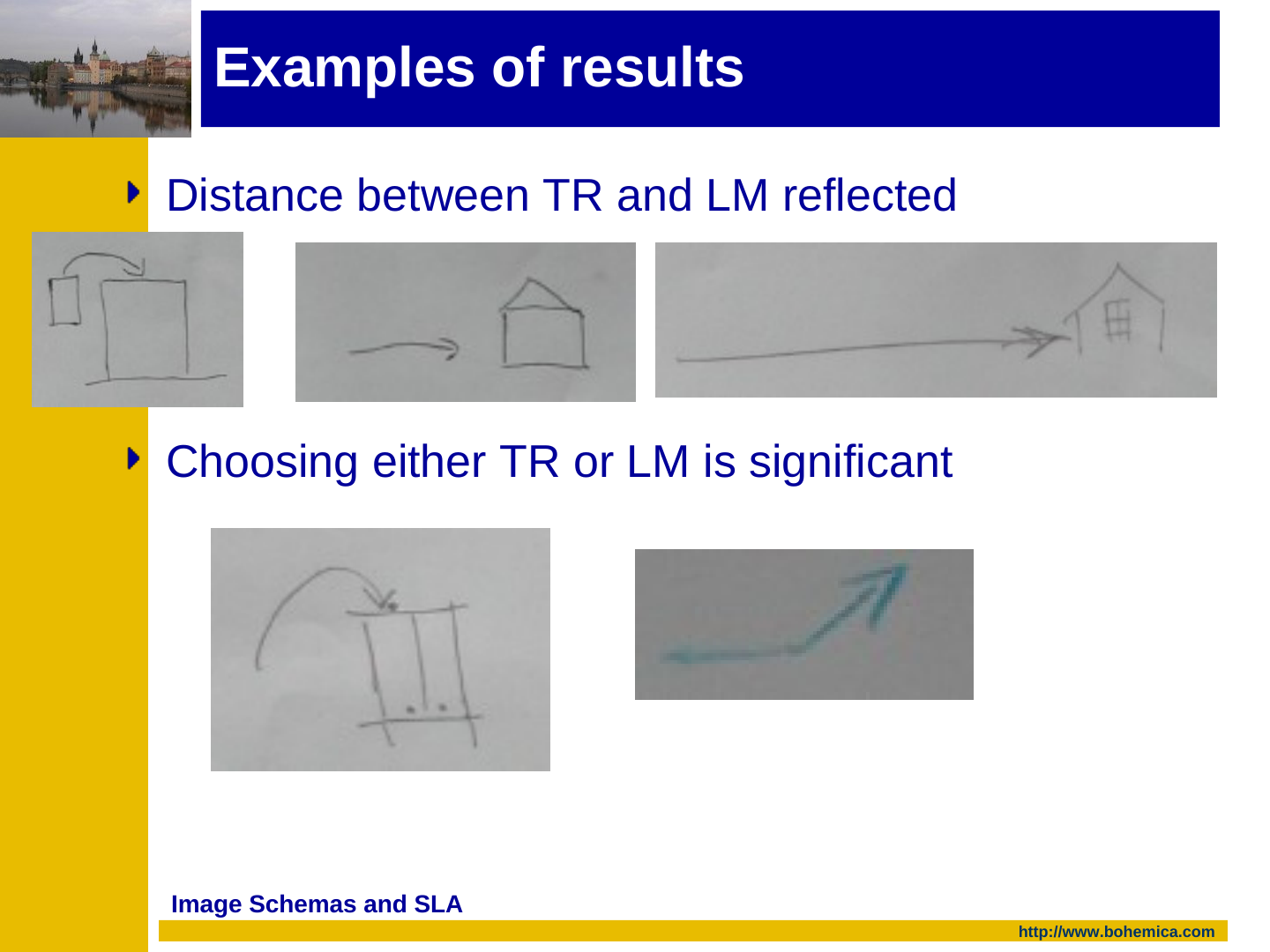
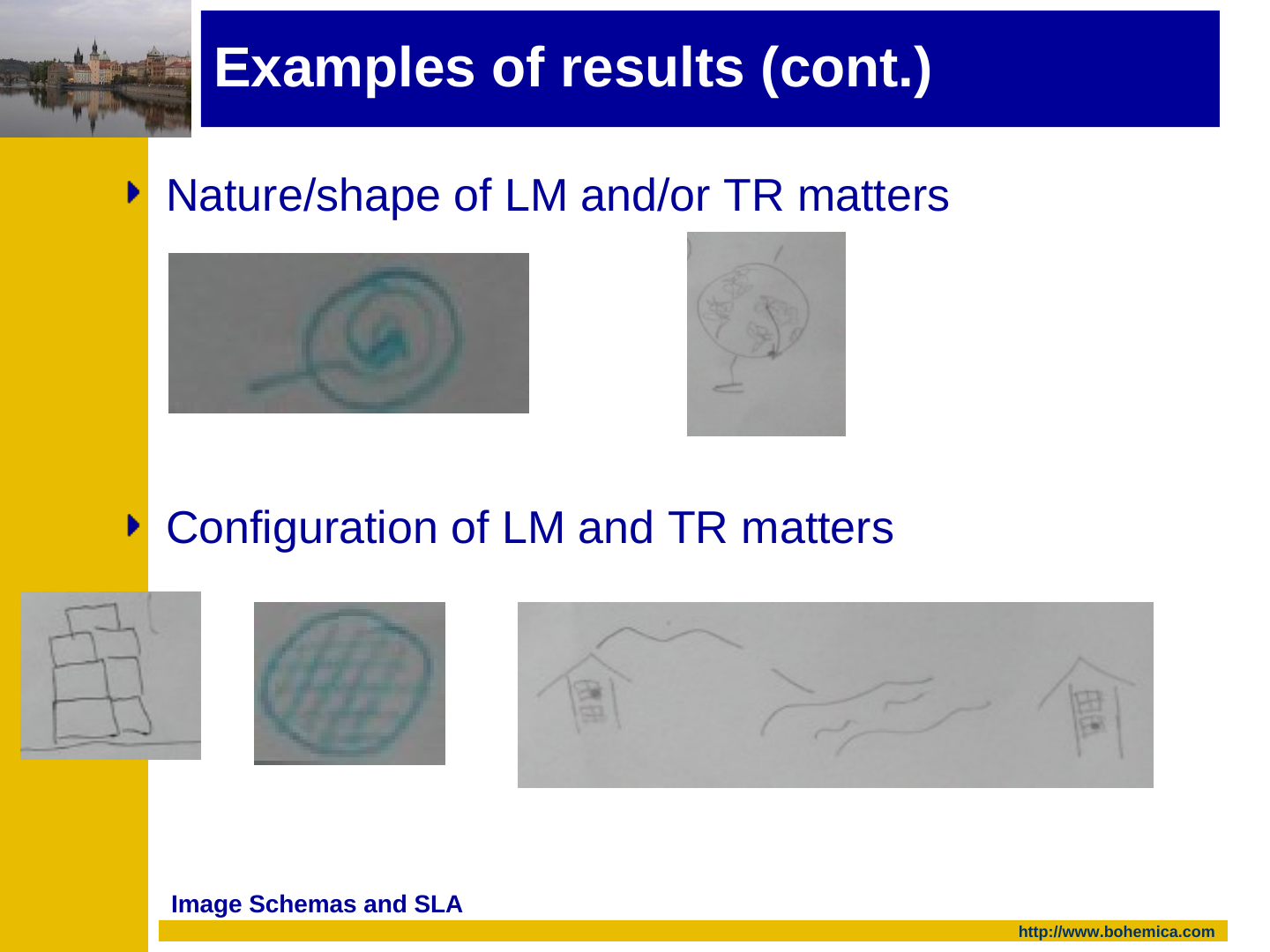
Slide 12: Examples of results (cont.)
Examples of results (cont.)
Nature/shape of LM and/or TR matters


Configuration of LM and TR matters


Slide 13: Examples of results (cont.)
Examples of results (cont.)
Different levels of schematicity


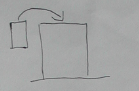

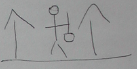

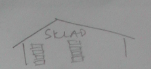
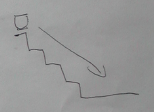
Knowledge of the world matters
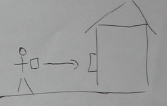
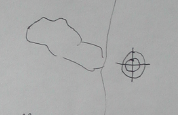
Slide 14: Preliminary conclusions
Preliminary conclusions
- Native speakers vary in how they conceptualize metaphorical extensions of core image schemas
- There is a scale of schematicity and different native speakers rely on images of variable richness when producing/interpreting sentences
- Native speakers vary in their competence and ability to manipulate image schemas
- Non-native speakers cannot acquire this through explicit instruction; rather, they must acquire a bank of rich images and (actively) create a set of links to schemas that motivate the use of the preposition
Slide 15: Advice given to students
Advice given to students
- Learn the core spatial meaning of each preposition
- Learn as many different uses of each preposition
- Create an image for each use based on the core meaning
- For abstract meanings link elements on both sides of the preposition to the original meaning