Frames, scripts, scenarios, models, spaces and other animals: Bridging conceptual divides between the cognitive, social and computational
- SlideShare title: Frames, scripts, scenarios, models, spaces and other animals: Bridging concep...
- Talk date: Not established
- SlideShare upload: 2013-04-07 (upload date, not the delivery date)
- Event: Not established
- Place: Not established
- Topics: Language & meaning
- Language: en
- Slides in the original listing: 51
- Coverage: Full text of all 51 slides, each paired with its original slide image (slide N is section N).
- Original listing: https://www.slideshare.net/slideshow/frames-and-other-animals/18341846
- Cover image: https://slides.dominiklukes.net/readers/frames-and-other-animals/pages/page-01.png
- Reader data (JSON): https://slides.dominiklukes.net/readers/frames-and-other-animals/presentation.json
- TalkWeaver package (outline and images, ZIP): https://slides.dominiklukes.net/frames-and-other-animals/frames-and-other-animals-talkweaver.zip
- TalkWeaver outline: https://slides.dominiklukes.net/frames-and-other-animals/talkweaver/frames-and-other-animals-outline.md
- Markdown copy: https://slides.dominiklukes.net/frames-and-other-animals/index.md
Slide 1: Frames, scripts, scenarios, models, spaces and other animals: Bridging conceptual divides between the cognitive, social and computational
Frames, scripts, scenarios, models, spaces and other animals: Bridging conceptual divides between the cognitive, social and computational
Dominik Lukeš, @techczech

Slide 2: Caveats
Caveats
Slide 3: Caveats
Avoid reduction through redescription. I.e. Don’t call things in other disciplines a frame and claim to have solved their problems.
Slide 4: Caveats
Differentiate between hermeneutics and heuristics. I.e. principles of understanding are distinct from methods of arriving at that understanding.
Slide 5: What is a frame?
What is a frame?
Slide 6: What is a frame?
- “Structure of expectation” Tannen, 1993
- “frames are basic cognitive structures which guide the perception and representation of reality”
- Interpretation of Goffman
- http://www.ccsr.ac.uk/methods/publications/frameanalysis/
Slide 7: Mostly overlapping concepts
Mostly overlapping concepts
Slide 8: Mostly overlapping concepts
- Frame (Goffman, Lakoff, Schon)
- Idealized Cognitive Model (Lakoff)
- Mental Model (cognitive pscyhologists)
- Mental Space (Fauconnier)
- World (text world, possible world) - (Werth)
Slide 9: Partially overlapping concepts
Partially overlapping concepts
Slide 10: Partially overlapping concepts
- Schema
- Script
- Scenario
- Domain
- Footing (Goffman)
- Prototype (psychology)
- Exemplar (phonology)
- Presupposition
- Metaphor (Outward bound)
- Gestalt (psychology)
- Construct (as in constructivist psychology)
- Case (as in "case-based reasoning")
- Stereotype
- Perspective
- Ability to see something in a ____ way
Slide 11: Concepts relying on something like a frame
Concepts relying on something like a frame
Slide 12: Concepts relying on something like a frame
- Discourse (as in "dominant discourses")
- Narrative (as in "prevailing narrative", "fit into a narrative")
- Family resemblance
- Episodic memory
- Priming
- Identity
- Cognitive dissonance
- Contestation
- Construction
- Historical memory
- Folk theory
- Theory
- Paradigm
- Metanarrative
- Foucault's archeology of the mind
- Culture
- Grammar (as in “grammar of schooling”)
- Archetype (psychology)
- Persuasion
- Prejudices
- The Other
- Historical Imagination
- Myth
- Role model
Slide 13: Disciplines using frame-like concepts
Disciplines using frame-like concepts
Slide 14: Disciplines using frame-like concepts
- Artificial Intelligence
- Ethnography/Anthropology
- Art history
- Cognitive psychology
- Social psychology
- Linguistics
- Sociology
- History of science
- Therapeutic psychology
- Logic
- Political theory
- Behavioral economics
- Media theory
Slide 15: Disciplines using frame-like concepts
- Rhetoric
- Law
- Pedagogy
- Organization studies
- Policy studies
Slide 16: What is a frame?
What is a frame?
Slide 17: What is a frame?
Fundamental non-atomic element of mental, social, emotional and physical action susceptible to mental operations similar to those intuitively described as reasoning.
Slide 18: What is a frame?
- Fundamental basic-level unit of mental representation.
- Both conscious and unconscious.
Slide 19: What does a frame look like?
What does a frame look like?
Slide 20: What does a frame look like?
- Idealized Cognitive Model is not a bad start.
- Enriched by episodic memory, discursive psychology, social anthropology, and corpus linguistics
Slide 21: What does a frame look like?
- Propositional aspects
- Image aspects
- Figurative aspects
- Meronymic aspects
- Metacognitive aspects
Slide 22: What does a frame look like?
- Definitions
- Narratives
- Rich images
- Image schemas
- Metaphors
- Analogies
- Collocations
- Links to related concepts
- Awareness of social links
Slide 23: What does a frame do as part of reasoning?
What does a frame do as part of reasoning?
Slide 24: What does a frame do as part of reasoning?
Something like blending theory is a good start but needs input from discursive psychology and social psychology.
Slide 25: What does a frame do as part of human action?
What does a frame do as part of human action?
Slide 26: What does a frame do as part of human action?
- Construction grammar is a good start.
- Frames are the semantic poles of meaning/form links in symbolic units.
Slide 27: What is missing from most frame theories?
What is missing from most frame theories?
Slide 28: What is missing from most frame theories?
- Notion of an inventory of frames and inventory only properties
- Hypostasis and negotiation (frame negotiation)
- Social as well as psychological dimension
- Variation in accessibility
- Acquisition
Slide 29: Examples of framing and frame analysis
Examples of framing and frame analysis
Slide 30: Examples of framing and frame analysis
Since 2002, it has been the official practice at Fox News to refer to attacks like the one at Moscow’s Domodedovo airport this week, in which a bomber blows himself up along with his victims, as “homicide bombings.” In adopting the terminology, Fox took its cues from the Bush White House, which felt the more commonly used “suicide bombings” gave undue attention to the fate of the bomber.
Slide 31: Examples of framing and frame analysis
bombing
Killing of people. Done at a distance. Unlawful connotation unless by military.
suicide
Killing of self. Usually in private by individual means. For personal reason. Connotations of sadness and grief.
Slide 32: Examples of framing and frame analysis
suicide bombing
Killing of people. Done by an individual carrying a bomb. Likely to die in the attack. Associated with people belonging to movements. Negative connotations.
Associated with discursive practices not inherited from those of suicide. The homicide aspect of bombing takes over.
Slide 33: Examples of framing and frame analysis
homicide bombing
Removes explicitly possibility of recovering frame aspects (discursive practices) blended away in suicide bombing.
Slide 34: Examples of framing and frame analysis
inside the structure of military rhetoric, a 'suicide mission' occupies a place of honor: to sacrifice one's life for the cause is regarded as noble, by the partisans of 'war.' Think of the Alamo, or the 300...
A suicide bomber partakes in some of the "Lost Cause" nobility.
Whereas a "homicide" bomber may (must?) be regarded merely as a murderous psychopath. There is no chance that the act could be thought "noble." A "homicide" bomber cannot be a martyr...
http://thewell-armedlamb.blogspot.co.uk/2010/01/homicide-bomber-vs-suicide-bomber-whats.html
Slide 35: Examples of framing and frame analysis
What knowledge is required to make sense of frame blends?
Slide 36: Examples of framing and frame analysis
- I teach civil war
- I teach public policy
- I teach French
- I teach shooting
- I teach guns
Slide 37: Examples of framing and frame analysis
What is the nature of knowledge necessary to interpret framing.
Slide 38: Examples of framing and frame analysis
Slide 39: Examples of framing and frame analysis
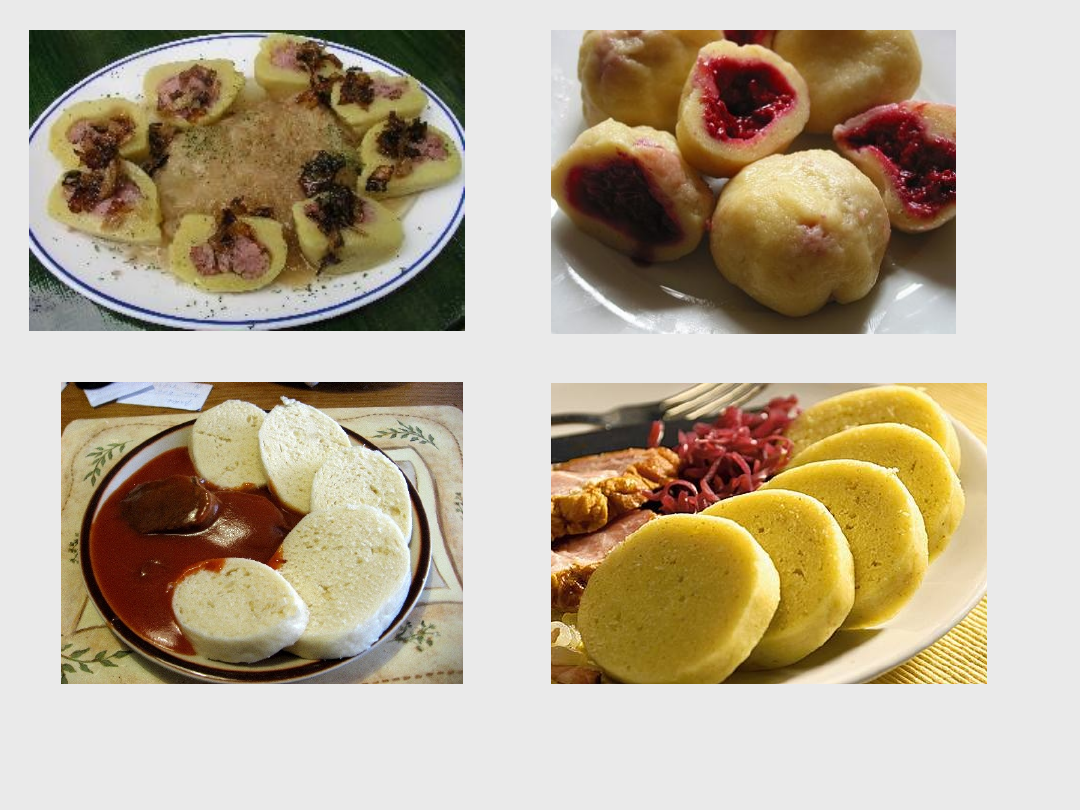
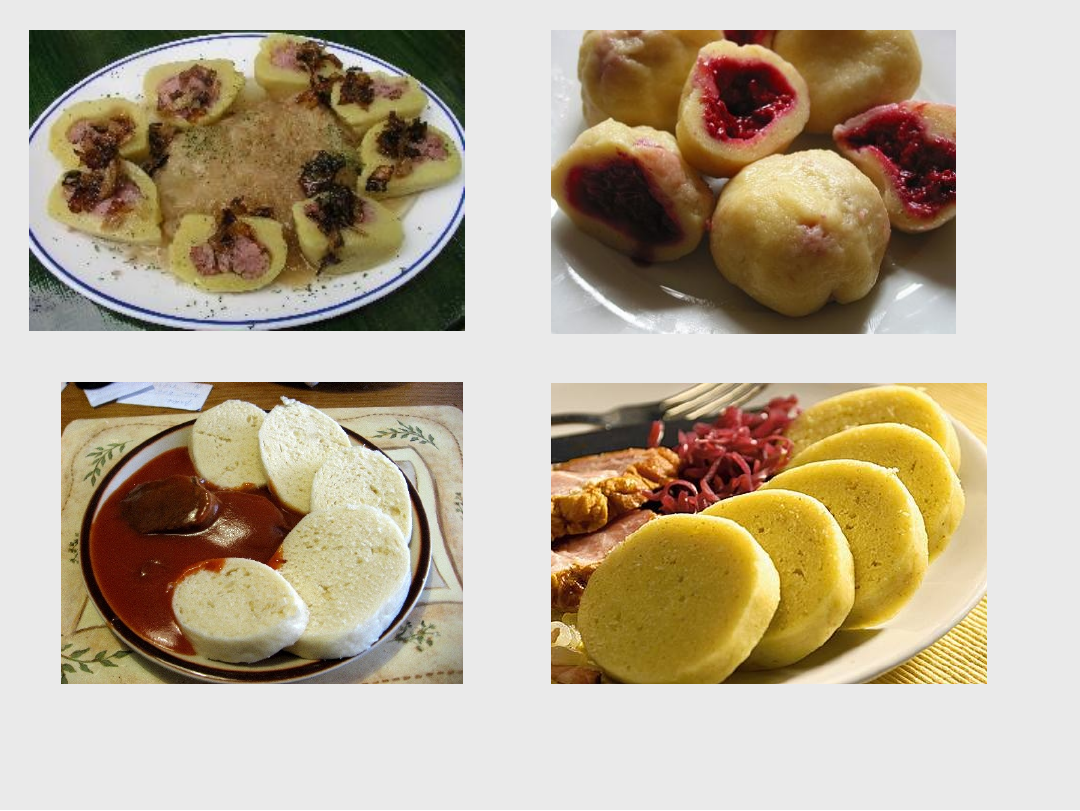
- fruit dumplings
- meat dumplings
- bread dumplings
- potato dumplings
- cheese-curd dumplings
- hairy dumplings
Slide 40: Examples of framing and frame analysis
Slide 41: Examples of framing and frame analysis
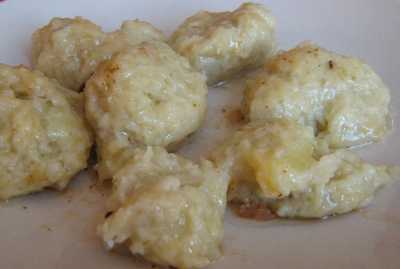
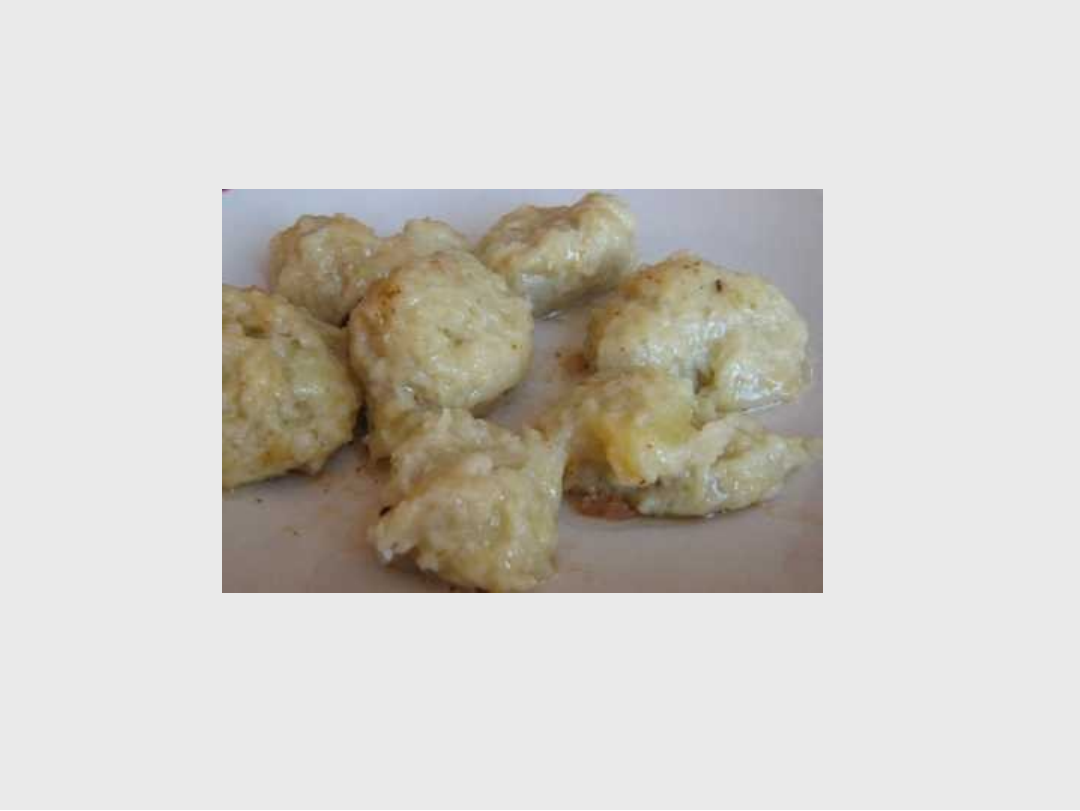
Interplay of propositional knowledge, force dynamics, scale schemas, rich images.
Slide 42: Examples of framing and frame analysis
- The Normans conquered Britain
- The Browns conquered Britain
- The Beatles conquered Britain
Slide 43: Examples of framing and frame analysis
- Nazi Holocaust
- Jewish Holocaust
- Hungarian Holocaust
- Spanish Holocaust
Slide 44: Examples of framing and frame analysis
I drink too much, last time I gave a urine sample, it had an olive in it.
Rodney Dangerfield
Slide 45: Examples of framing and frame analysis
I learned this summer that peeing in the pool and peeing INTO the pool are very different things.
Demetri Martin

Slide 46: Conclusion: Why are frames useful?
Conclusion: Why are frames useful?
Slide 47: Conclusion: Why are frames useful?
Non-reductionist analysis of issues in the humanities
Slide 48: Conclusion: Why are frames useful?
Remind us what else to look for in the conceptualizations. E.g. schemas have associated rich images, narratives, and propositional content.
Slide 49: Conclusion: Why are frames useful?
Prevent debates about questions assuming traditional concepts requiring logical operations are at play. For instance definitions.
Slide 50: Further research needed?
Further research needed?
Slide 51: Further research needed?
- Cognitive psychology of framing
- Memory of frames
- Priming
- Habituation and embodiment
- Individual variation
- Frame negotiation